This Crosses The Line!
At first glance, the image Donald Trump posted seemed obvious: a man in power, his hand raised, appearing to bless. Many reacted instantly, seeing a political figure stepping into the role of Jesus.
But a closer look tells a different story.
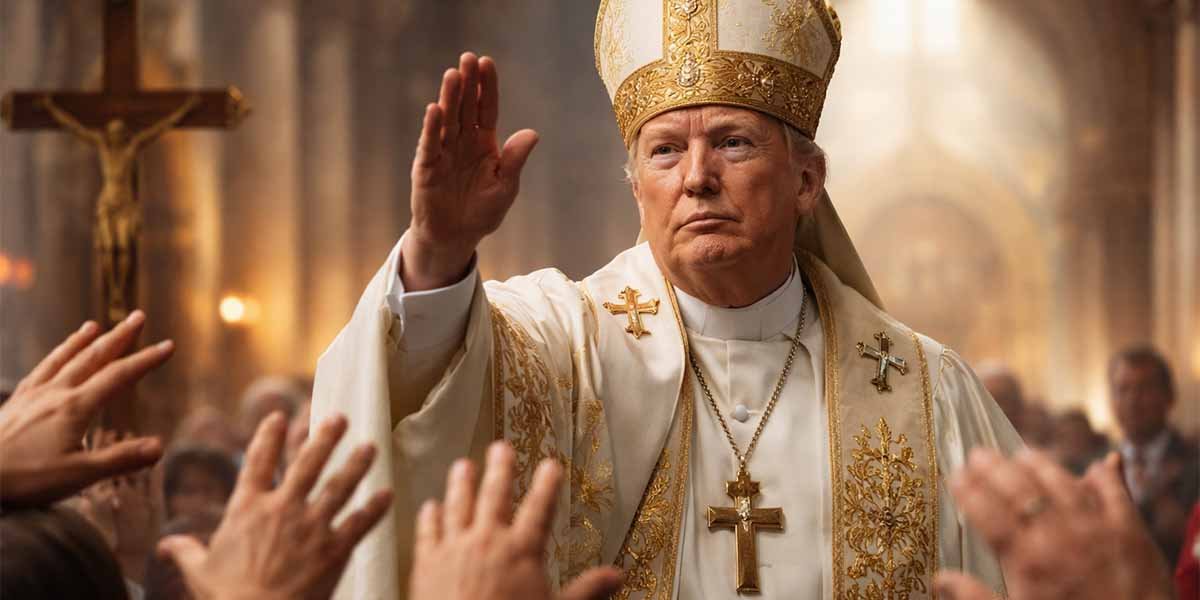 The clothing, posture, and staging feel less like Jesus in humility and more like institutional authority—closer to a pope than a servant figure. Not simplicity, but symbolism of power.
That’s where the message breaks.
In both Catholic and Evangelical traditions, a blessing isn’t theater or branding. It doesn’t come from personal projection. It comes from God, not from someone attempting to amplify their own influence.
This is the miscalculation.
Donald Trump has long understood how to command attention through dominance and narrative control. In politics and media, that approach often works.
But religion operates differently.
Political authority can be claimed, won, or projected. Sacred meaning cannot. These symbols carry weight beyond any individual, and using them carelessly—even sarcastically—doesn’t feel clever. It feels disrespectful.
That’s why the reaction was immediate and strong.
People didn’t need to analyze it. They felt it. A boundary had been crossed.
Even supporters can recognize the distinction. Power is one thing. The sacred is another.
When those lines blur, the message doesn’t just miss.
It backfires.
The clothing, posture, and staging feel less like Jesus in humility and more like institutional authority—closer to a pope than a servant figure. Not simplicity, but symbolism of power.
That’s where the message breaks.
In both Catholic and Evangelical traditions, a blessing isn’t theater or branding. It doesn’t come from personal projection. It comes from God, not from someone attempting to amplify their own influence.
This is the miscalculation.
Donald Trump has long understood how to command attention through dominance and narrative control. In politics and media, that approach often works.
But religion operates differently.
Political authority can be claimed, won, or projected. Sacred meaning cannot. These symbols carry weight beyond any individual, and using them carelessly—even sarcastically—doesn’t feel clever. It feels disrespectful.
That’s why the reaction was immediate and strong.
People didn’t need to analyze it. They felt it. A boundary had been crossed.
Even supporters can recognize the distinction. Power is one thing. The sacred is another.
When those lines blur, the message doesn’t just miss.
It backfires.
Click to read in English or Spanish
The clothing, posture, and staging feel less like Jesus in humility and more like institutional authority—closer to a pope than a servant figure. Not simplicity, but symbolism of power.
That’s where the message breaks.
In both Catholic and Evangelical traditions, a blessing isn’t theater or branding. It doesn’t come from personal projection. It comes from God, not from someone attempting to amplify their own influence.
This is the miscalculation.
Donald Trump has long understood how to command attention through dominance and narrative control. In politics and media, that approach often works.
But religion operates differently.
Political authority can be claimed, won, or projected. Sacred meaning cannot. These symbols carry weight beyond any individual, and using them carelessly—even sarcastically—doesn’t feel clever. It feels disrespectful.
That’s why the reaction was immediate and strong.
People didn’t need to analyze it. They felt it. A boundary had been crossed.
Even supporters can recognize the distinction. Power is one thing. The sacred is another.
When those lines blur, the message doesn’t just miss.
It backfires.
Click to read in English or Spanish