The Free Rider Problem
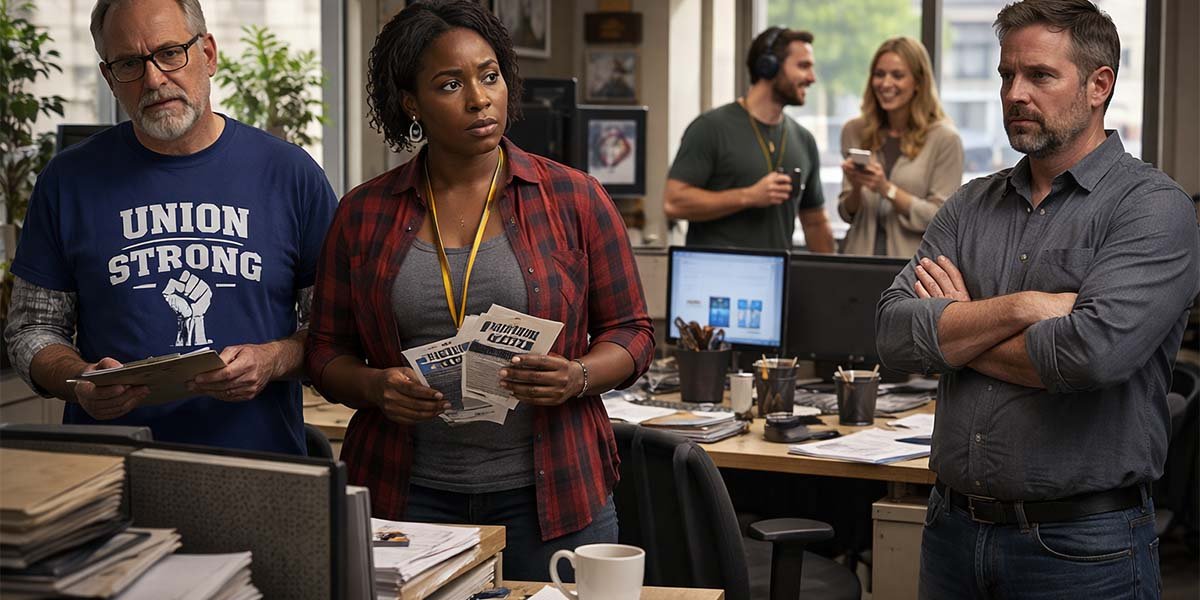
This shift traces back to the Supreme Court’s 2018 ruling in Janus v. AFSCME, which made union dues optional for public-sector employees. Workers can decline to pay while remaining covered by the agreements unions negotiate. Legally, it stands. Practically, it has introduced a growing strain within the workplace.
For many dues-paying members, the frustration isn’t just financial—it’s structural. They see themselves funding the system while others benefit without contributing. Over time, that imbalance raises a difficult question: how sustainable is a model where participation is voluntary, but the outcome is the same for all?
Unions have not disappeared. In many cases, they are organizing more aggressively, communicating their value, and trying to rebuild a sense of shared purpose. But the underlying tension hasn’t gone away. It’s deepening as more workers weigh personal cost against collective gain.
At its core, this is no longer just about dues. It’s about whether the idea of solidarity still holds. Because when fewer people invest in the system, its strength begins to erode—and the protections it provides may not hold in the long run.