Trump Base of Support
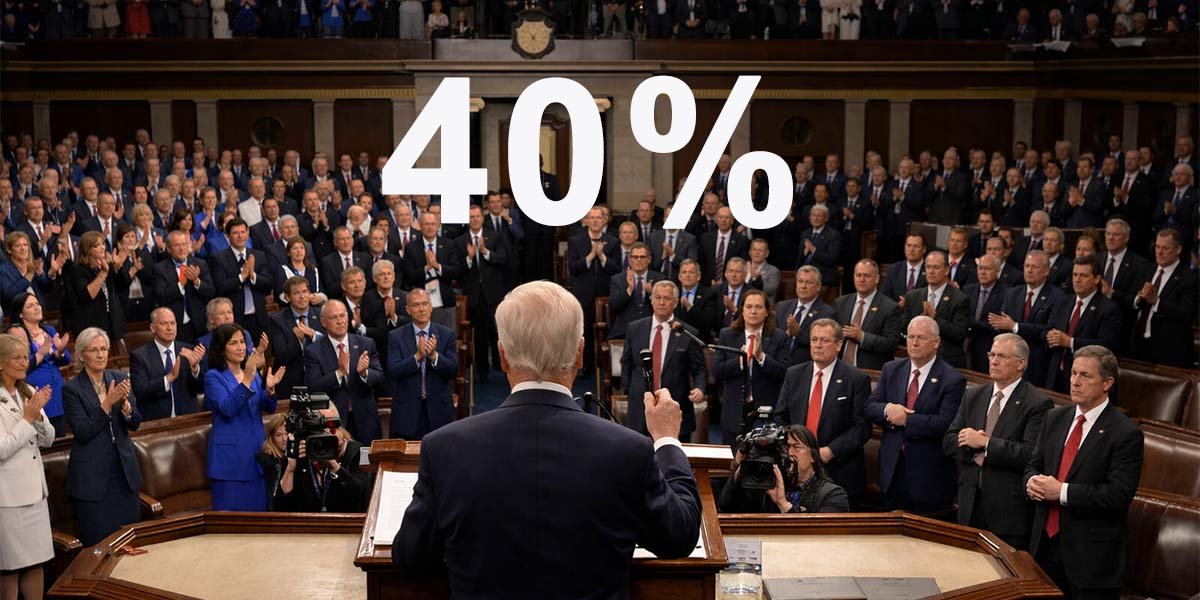
There is a recent number in American politics that does not move. It does not rise in crisis. It does not fall under pressure. It does not respond to scandal, war, or controversy. It holds—steady, unshaken—at around 40 percent. This is not normal fluctuation. It is the structural condition of the Party of Trump. While everything else shifts, his number stays fixed, marking a transformation in politics itself: from discussion and persuasion to candidate loyalty.
For Donald Trump, that 40 percent is not just support—it is alignment. It does not need to grow. It only needs to hold. While one side debates strategy and messaging, this number operates under a different logic: loyalty over persuasion, cohesion over complexity. It does not drift. It does not fracture. MAGA approval of Trump remains 100%.
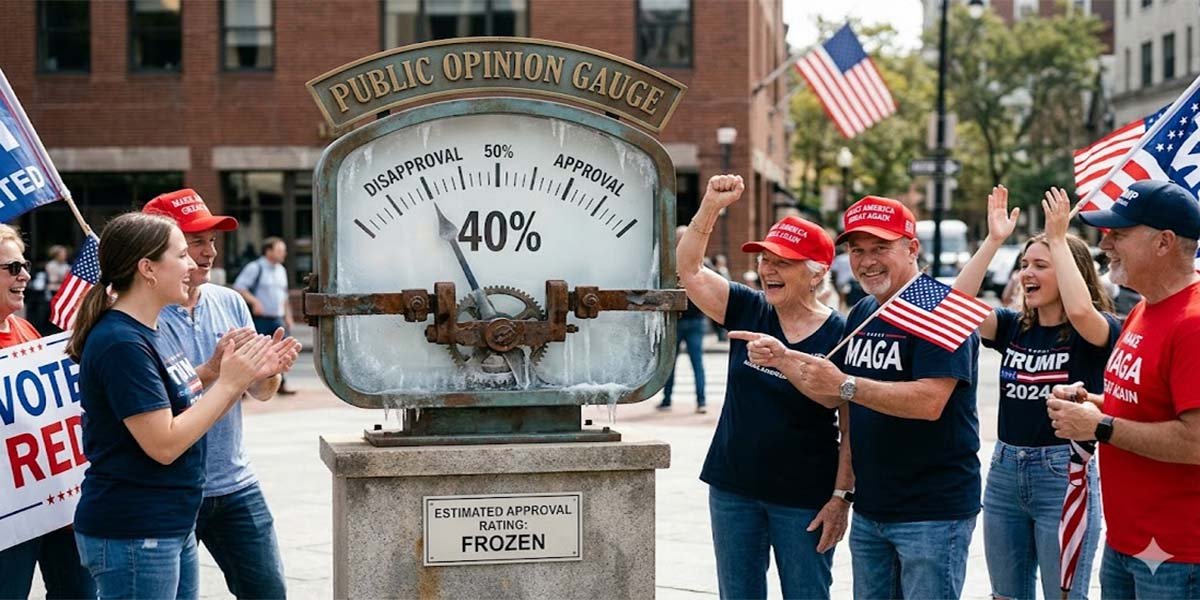
The danger is not its size. The danger is its permanence. In a system where one side is fixed and the other is unstable, elections are no longer decided by who gains support, but by who loses it. If the opposing coalition weakens—even slightly—that unchanging 40 percent becomes enough. Not because it expands, but because everything around it erodes.
Research points to an even darker reality. In authoritarian systems, leaders have held power with the committed support of just 1% to 5% of the population, so long as that core remains unified and in control. Majority opposition has not been enough to remove them. Democracies are designed to prevent that outcome—but only if participation holds and coalitions remain intact.
When a stable minority faces a fragmented majority, the math begins to fail. The system doesn’t collapse overnight. It tilts. And once it tilts far enough, a number that was never a majority no longer needs to be. For the past 10 years the number for Trump support has stayed between 38% and 41%.